



.avif)
Liquid-Tight Ductwork for Battery Manufacturing Facilities | US Tubing
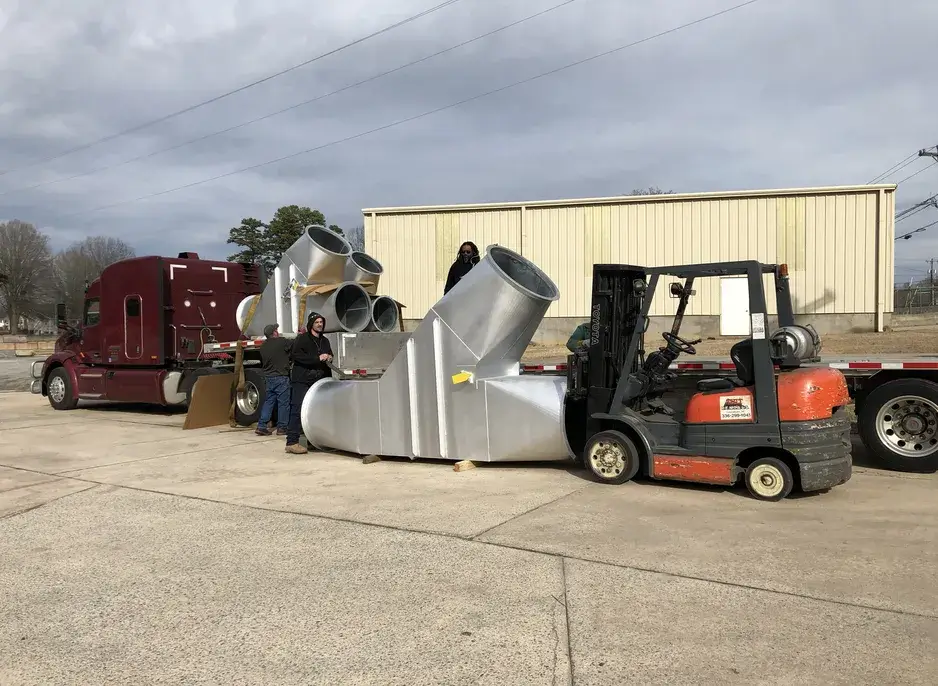
Battery manufacturing leaves no room for leaks, moisture, or airflow instability. From electrode coating through formation and aging, even small ductwork failures can introduce contaminants that reduce yield, compromise battery chemistry, accelerate corrosion, and cause costly downtime.
US Tubing is designed and manufactured for liquid-tight ductwork for battery manufacturing facilities. This includes corrosion-resistant industrial ductwork for lithium-ion battery manufacturing facilities and EV battery factories. Our modular duct systems are built to deliver consistent airflow control, reliable containment, and long-term process stability in the most demanding battery production environments across the United States.
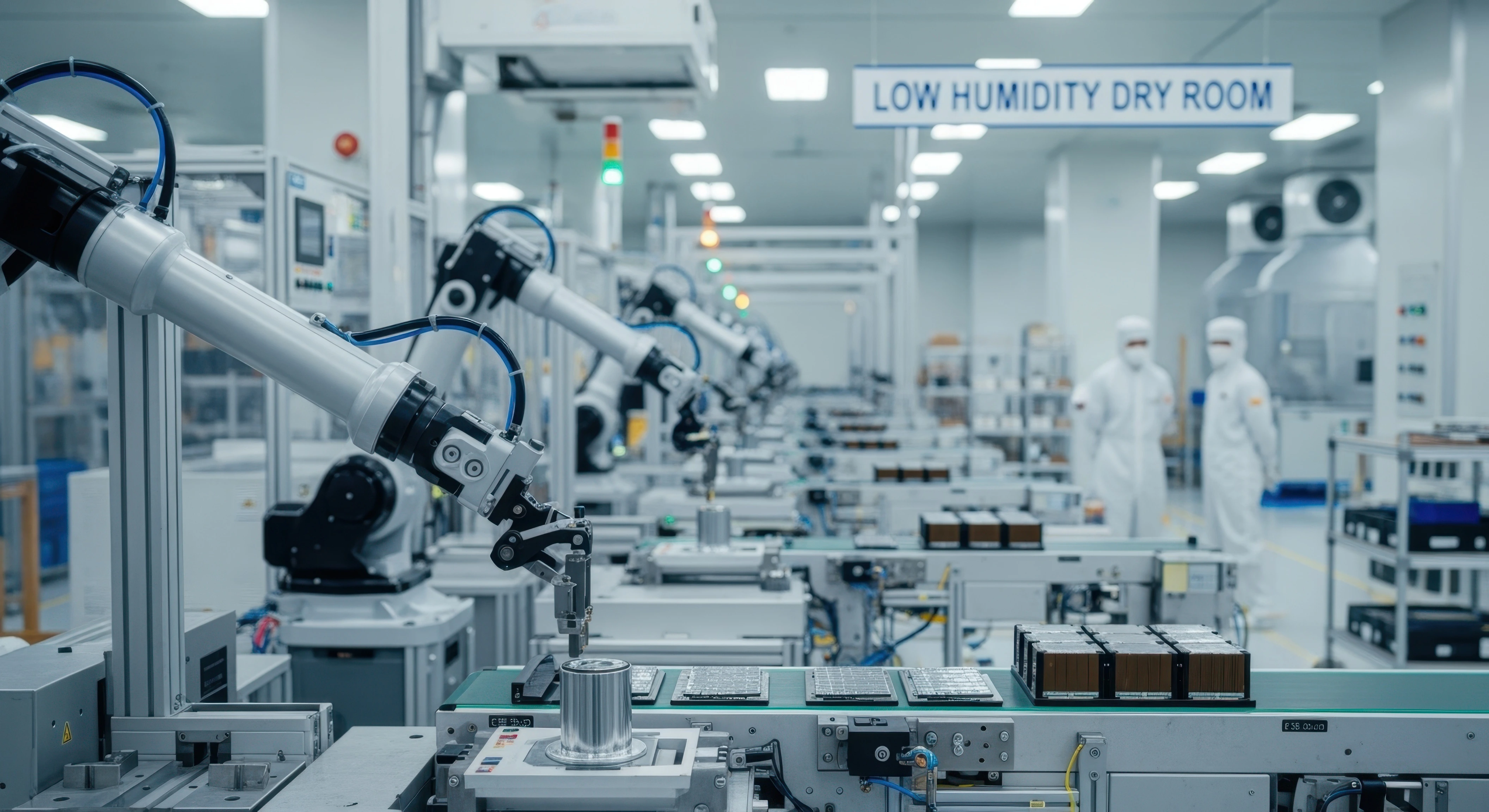
Why Traditional Ductwork Fails in Battery Manufacturing
Most conventional industrial ductwork depends on slip joints, sealants, and mechanical fasteners. Over time, vibration, pressure changes, and constant exposure to corrosive solvent vapors, including NMP (N-Methyl-2-pyrrolidone), can degrade standard seals.
In battery manufacturing facilities, those failures typically show up as:
• Moisture intrusion into controlled production areas
• Leakage of corrosive or hazardous exhaust
• Cross-contamination between critical process zones
• Increased maintenance demands and unplanned downtime
In lithium-ion battery production, traditional ductwork is often the weak point in the ventilation system. Slip-fit designs struggle to stay airtight in modern battery plants where cleanliness, precision, and reliability are non-negotiable.
Liquid-Tight Ductwork vs Traditional Industrial Ducting
Traditional ducting was never designed for the chemical exposure, humidity sensitivity, and around-the-clock operation of battery manufacturing facilities. Sealants degrade, joints loosen, and small leaks quickly turn into serious process risks.
Liquid-tight ductwork removes these failure points by using a permanent, mechanically sealed joint that prevents air, moisture, and corrosive exhaust from escaping. In battery plants, that difference directly impacts product yield, worker safety, and long-term system performance.
The Ultimate Seal®: Leak-Free Ductwork Joint Engineering
US Tubing ductwork is engineered from the start to eliminate joint failure in corrosive battery manufacturing applications. Our proprietary flange-and-gasket connection system creates a permanent (but completely reuasble), liquid-tight seal that consistently outperforms conventional slip-fit ducting.
This joint design solves the core weaknesses of traditional ductwork and delivers dependable performance in environments where even minor leakage can disrupt tightly controlled battery production processes.
Download our specs here.
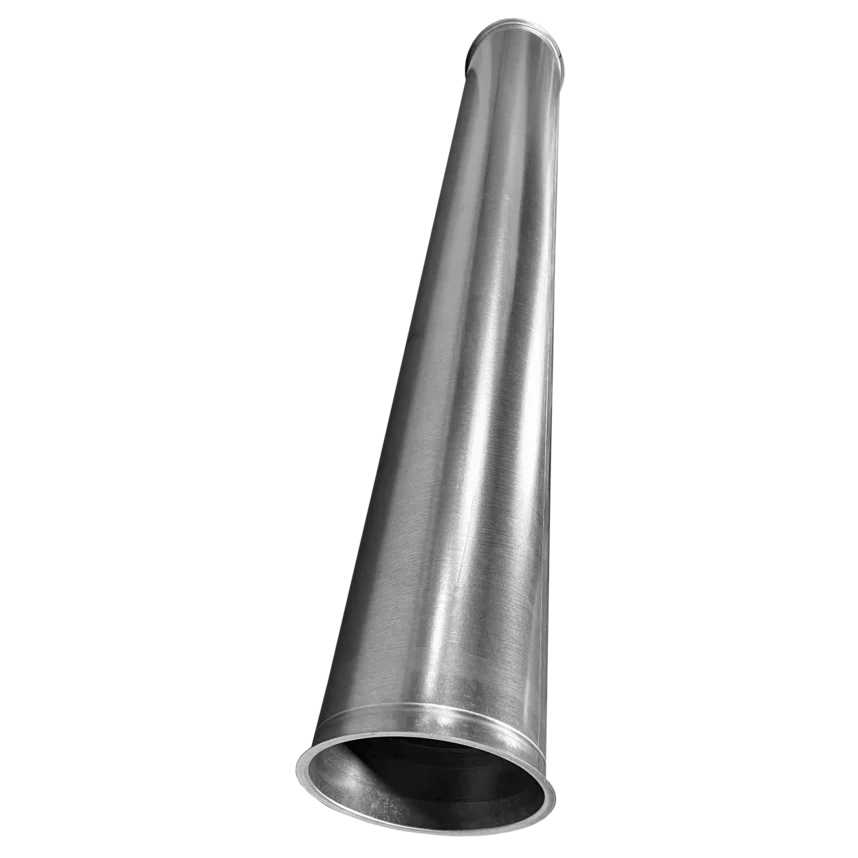
Vanstone-Flanged Ends
Each laser-welded duct section features a precision 90-degree flanged end that creates a rigid, flat sealing surface. This design resists deformation from vibration, load, and thermal cycling. Duct is available in galvanized, 304 stainless steel, and 316 stainless steel.
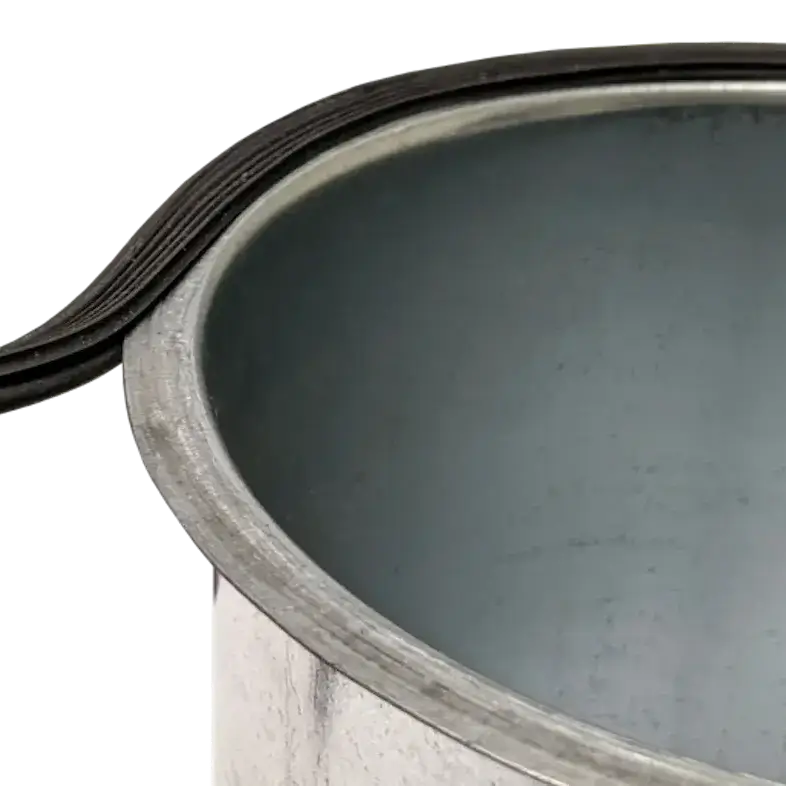
V-Shaped Gasket Technology
The gasket mounts directly to the flange face rather than inside the clamp. This ensures uniform compression and eliminates the uneven sealing pressure common in slip-fit systems. Gaskets are available in SIlicone, Viton, and Buna-Nitrile based off of application.
Uniform Circumferential Compression
The clamp-connect system applies consistent pressure around the entire joint circumference, producing an airtight and liquid-tight seal that remains stable over time.

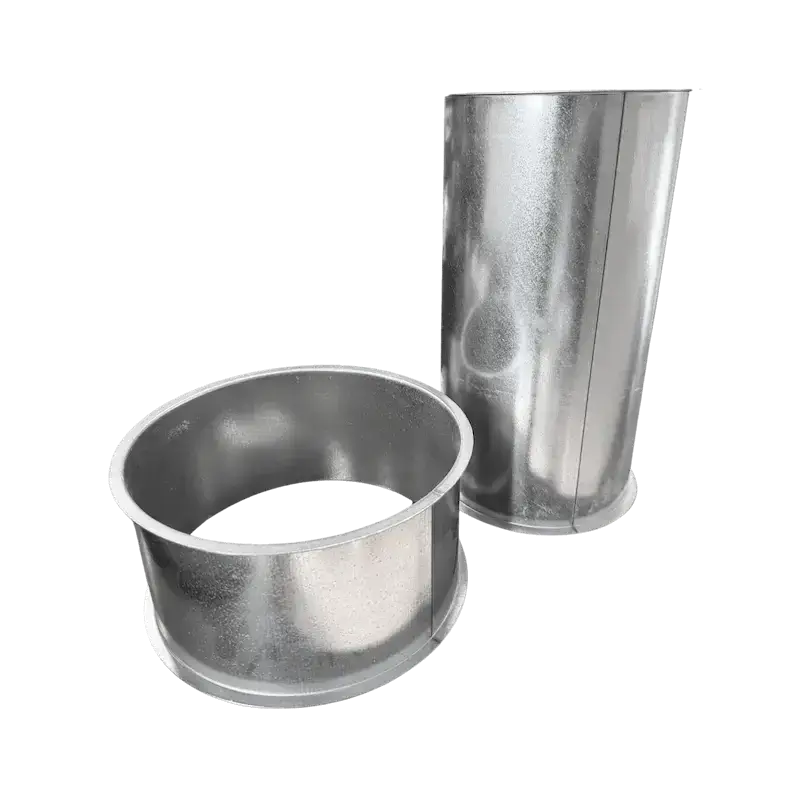
Adjustable Sleeve
Adjustable sleeves in 4" and 11" lengths allow for adjustability during installation or redeployment of ductwork.
Industrial Ductwork Applications in Battery Manufacturing
Battery manufacturing facilities operate with near-zero tolerance for airborne contaminants and moisture, placing extreme demands on ventilation systems. US Tubing duct systems are engineered to protect the most sensitive areas of modern battery plants and EV gigafactories.
Electrode Coating and Exhaust Systems
Contains corrosive vapors and fine particulates that can impact coating uniformity, reduce yield, and shorten equipment life, while supporting safe hazardous exhaust containment.
Anode and Cathode Assembly Areas
Maintains precise airflow control and prevents contaminant migration between isolated production zones.
Formation and Aging Rooms
Provides stable, leak-free ventilation to protect battery cell chemistry during critical curing and conditioning stages.
Precision Machining and Fabrication
Captures oil mist and coolant aerosols generated during equipment manufacturing and maintenance operations common in EV battery facilities.
Operational Advantages for Battery Manufacturers
Installing US Tubing liquid-tight industrial ductwork delivers clear performance and cost advantages across battery manufacturing operations. Our systems are engineered to help facilities meet SMACNA leak leakage standards and NFPA safety guidelines for hazardous exhaust.
Protect Battery Product Yield
Eliminating leaks and moisture intrusion helps preserve the chemical integrity of battery materials and finished cells.


Improve Worker Safety
Reliable containment of corrosive exhaust, oil mist, and hazardous vapors reduces respiratory exposure and workplace hazards.
Support Modular, Scalable Production Lines
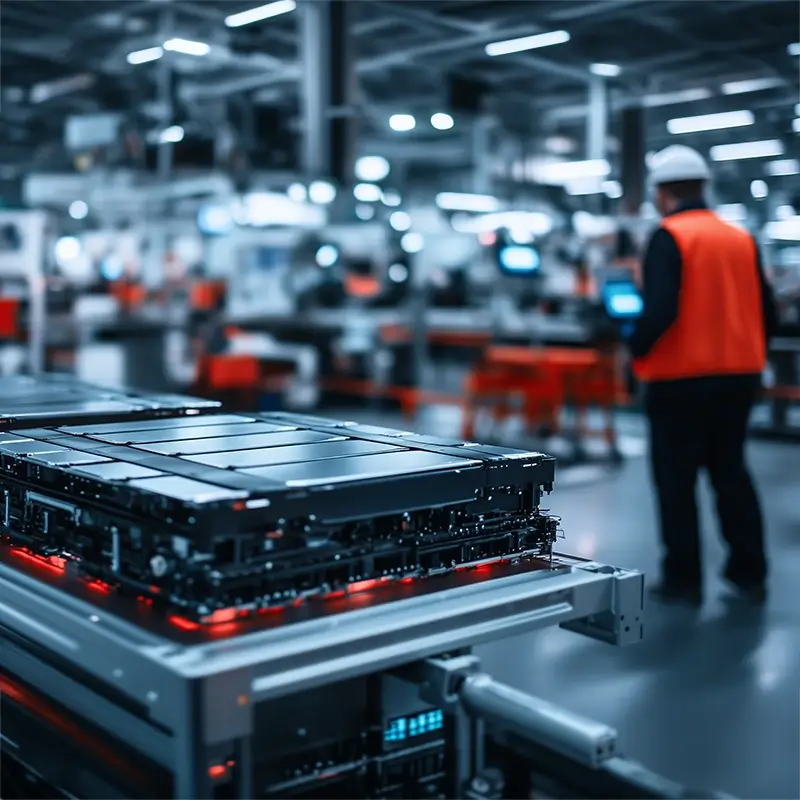
Modular ductwork allows production lines to be reconfigured or expanded without sacrificing seal integrity.

Reduce Maintenance and Downtime Costs
Leak-free performance minimizes emergency repairs, cleanup requirements, and unplanned system shutdowns.
Corrosion-Resistant Ductwork Built for U.S. Battery Plants
US Tubing supports battery and EV battery manufacturing facilities across North America with industrial ductwork systems engineered for high-throughput lithium-ion battery production. Our corrosion-resistant ductwork is built to withstand aggressive exhaust conditions while supporting the operational demands of modern battery plant infrastructure.
Upgrade to Leak-Free Industrial Ductwork for Battery Manufacturing
Traditional ductwork should not be the limiting factor in your battery manufacturing operation. Upgrade to a liquid-tight duct system engineered for long-term durability, airflow stability, and process control.
Talk to a battery manufacturing ductwork specialist today to discuss your facility’s exhaust and ventilation requirements.
Frequently Asked Questions
What is liquid-tight ductwork?
Liquid-tight ductwork like US Tubing is industrial ducting engineered to prevent air leakage, moisture intrusion, and liquid or condensate escape at joints. It uses mechanically sealed connections rather than relying on slip joints and field-applied sealants that can degrade over time.
Can modular ductwork support line changes and plant expansion?
Yes. Modular duct systems are designed for faster installation and easier reconfiguration. Facilities can modify runs during equipment moves or expansion while maintaining reliable joint sealing and airflow control.
Why is leak-free ductwork important in battery manufacturing facilities?
Battery manufacturing has near-zero tolerance for contaminants and moisture. Even small duct leaks can introduce humidity into dry rooms, allow corrosive solvent vapors to escape, and cause cross-contamination between process zones, reducing yield and increasing downtime.
Can US Tubing handle NMP and other solvent vapors?
Yes, when the duct material and gasket are selected for chemical compatibility. Stainless steel ducting and solvent-resistant gasket materials are commonly used for NMP (N-Methyl-2-pyrrolidone) exhaust and other aggressive process vapors.
What duct material is recommended for lithium-ion battery manufacturing ductwork?
Material selection depends on the process zone and exhaust chemistry. Many lithium-ion applications use 304 stainless steel for clean, controlled environments and 316 stainless steel for higher corrosion exposure, elevated temperatures, or concentrated solvent vapors.
Where is liquid-tight ductwork most useful in a battery plant?
Liquid-tight ductwork is especially valuable in areas where leakage creates high risk, including electrode coating and drying exhaust, solvent recovery, dry rooms, formation and aging ventilation, and hazardous or corrosive exhaust runs.
How does liquid-tight ductwork reduce maintenance and downtime?
Mechanically sealed joints stay consistent under vibration, pressure changes, and thermal cycling. By eliminating common failure points like loosening slip joints and degrading sealants, leak-free ductwork reduces emergency repairs, cleanup events, and unplanned shutdowns.
See what Our customers say


Talk to a Duct Guy or Gal
Get started on a solution tailored to your needs, or explore our range of inline separators, self-dumping hoppers, and bag houses for even more ways to optimize your workspace.