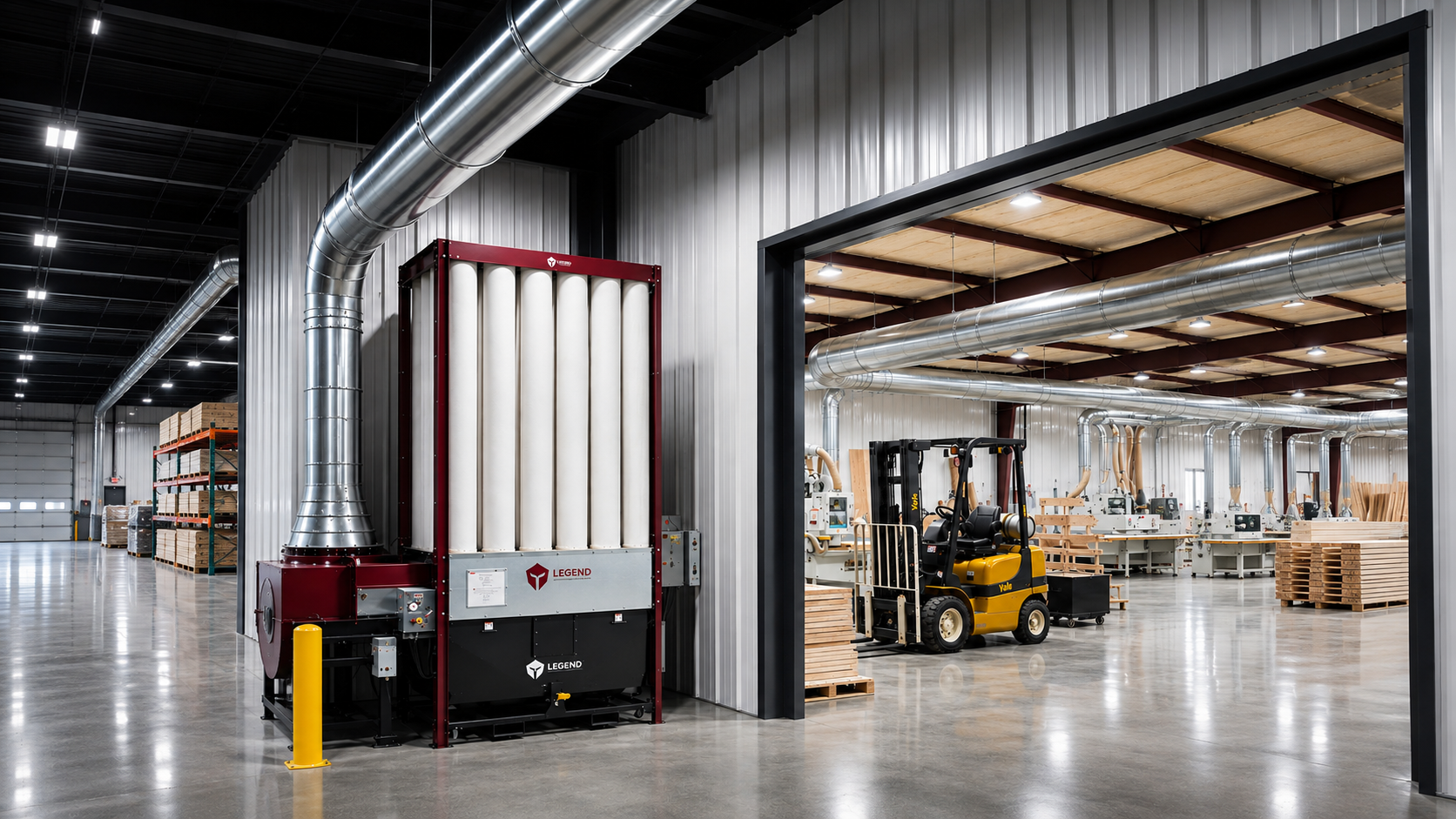

Suck It Up, Buttercup: Why Our Cyclones Are the Real Dust Whisperers

Let’s talk about something no one likes to admit: your shop’s dust collection setup might be... well, a little dusty. And not in the rustic, “it’s got character” kind of way—more like the “my cartridge filters cry themselves to sleep” kind of way.
If you’re in woodworking, OEM machinery sales, or operate any shop that sees more sawdust than sunlight, you know the deal. Dust is everywhere. It clogs filters, kills airflow, and gives OSHA inspectors a heart attack. That’s where cyclones come in. And not just any cyclones—US Duct Cyclones. The kind that treat dust like an overzealous bouncer at a sawdust saloon.

What Is a Cyclone?
Think of it as your shop's spin class instructor. A cyclone separator uses centrifugal force to whip the air around and fling out all the heavy particles before they can even think about hitting your filters. It’s like giving your baghouse a bodyguard—one who says, “Nope, this one’s too chunky,” and yeets the chips, curls, and shavings straight into a barrel, drum, or hopper.
Why Woodworkers Love ‘Em
Let’s be real: if you’re running routers, CNCs, planers, or anything louder than a squirrel chewing drywall, you’re producing a LOT of dust. Cyclones are especially effective for:
- Joinery shops & cabinet manufacturers — dealing with both fine and bulky debris
- OEM dealers — who need to spec out reliable, long-life systems with fewer service calls
- Saw mills & processing lines — moving major volumes of wood waste
- Anyone tired of emptying dust collection bags every 47 minutes
Basically, if your dust collector is crying in the corner every Monday morning, you need a cyclone.
Why Ours Leaves the Competition Spinning
We’re not saying other cyclones are bad... okay, actually yes we are. Here’s what makes US Duct’s cyclones the Chuck Norris of pre-separation:
1. Built Like a Tank (But Smarter)
Rugged steel, American-made, powder-coated for durability, and available in sizes up to 60" diameter. That's not a cyclone. That’s a dust-hungry tornado in a tuxedo.
2. Serious Airflow, Low Drama
Our spec sheet doesn’t mess around—our cyclones handle from 60 CFM all the way to 40,500 CFM. Whether you’re a boutique woodshop or a beast-mode OEM, we’ve got your airflow needs covered.
3. Saves Your Filters (and Sanity)
By knocking out large and abrasive particles early, your filters stay cleaner, last longer, and don’t clog every time someone turns on the table saw.
4. No Moving Parts = No Maintenance Headaches
Our cyclones don’t ask for much—just to be installed and admired. No motors, no belts, no bearings. Just pure physics doing its gritty job.
5. Pairs Perfectly with Our Inline Separators & Baghouses
Need a full system? Oh, we got you. Add our Legend Inline Separator to further cut down waste headed to the collector, or upgrade to a Legend Baghouse for top-tier filtration. We’re like the a special forces team of dust control—each component strong alone, but unstoppable together.
What You Gain
- Less downtime (fewer filter changes and clogs)
- Longer filter life (protect your investment!)
- Cleaner air (your lungs and your insurance guy will thank you)
- More productive workers (and fewer mutinies over who has to change the bags)
Don’t settle for off-brand cyclone knockoffs with thin walls, poor airflow, and the lifespan of a cheap burrito. You’ve got dust. We’ve got separation anxiety—in a good way.
Call us. Email us. Send a pigeon. Just stop letting your dust system be the weakest link in your operation.
Explore Cyclones on US-Duct.com
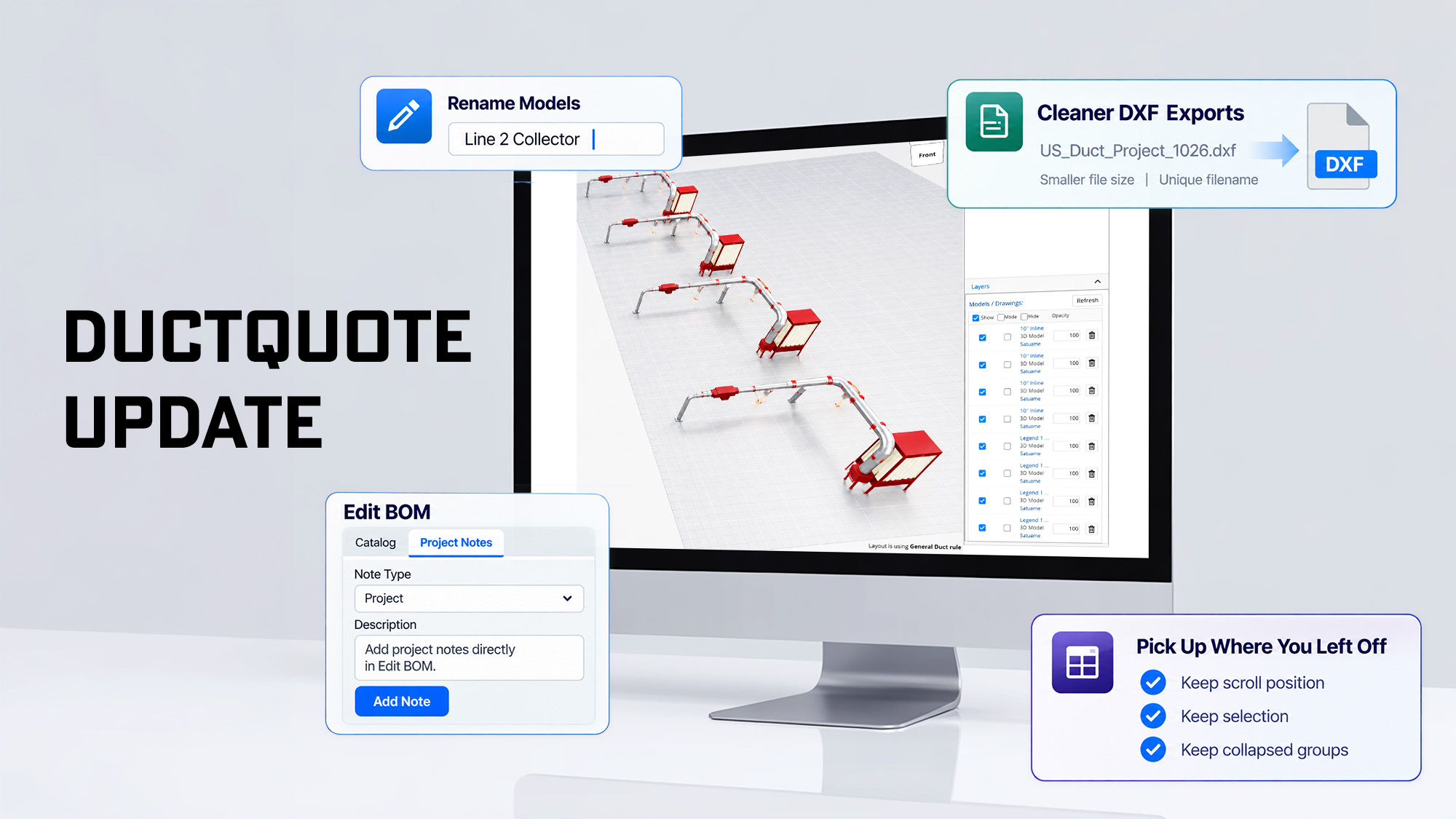
DuctQuote Update Oct 2026
What Facility Managers Should Know About Static Pressure