
Coffee Roasting Exhaust Systems: Keeping Your Beans—and Your Air—Fresh and Clean
Roasting coffee beans is an art form, but let’s face it—there’s a lot more to it than just heating up some beans and hoping for the best. There’s dust, heat, and exhaust to deal with, and if you don’t handle it properly, you might end up with a roasting setup that’s as smoky as your uncle’s backyard BBQ. (And nobody wants that.)
Here’s the breakdown of where ducting saves the day in your coffee roasting process:
1. The Loading Stage
Imagine this: You’re loading up your green coffee beans, feeling like the roasting rockstar you are, and suddenly—POOF—dust everywhere. This is what we call a “dust bloom.” (Sounds cute, but trust us, it’s not.)
That’s where hoods and ducting come in. They swoop in like caped heroes, capturing dust before it can settle into your drum or coat your roasting room like a fine layer of powdered sugar. Clean air? Check. Clean beans? Double check.
2. The Roasting Stage
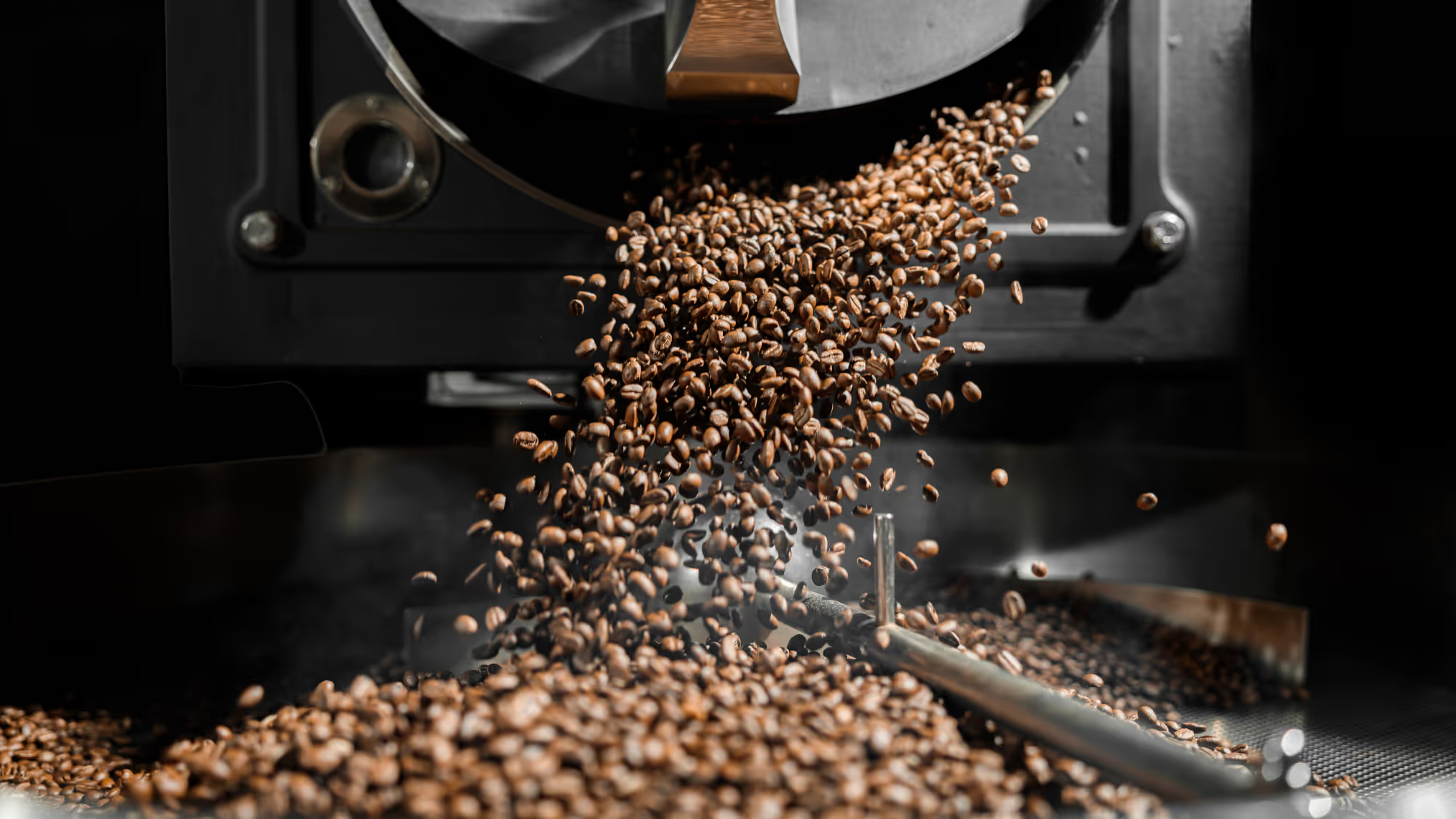
Now, things are heating up—literally. Your beans are spinning in a drum that’s cranking up to 450°F. The result? A delightful medley of bean hulls, skins, dust, and heat, all swirling around like a chaotic coffee tornado.
Proper ductwork is your MVP here, venting all that debris and hot air out of the drum. It’s like having a personal assistant who quietly takes care of the mess so you can focus on what matters: roasting the perfect batch.
3. The Cooling Stage
Just when you thought you were in the clear, it’s time to cool those beans. You still have to deal with heat and particulates as they move to the cooling tray.
Good ducting steps in again to collect the leftovers—because nobody likes a lingering mess—and filters it out or vents it safely. Think of it as the cherry on top of your perfectly roasted coffee sundae.
Why Your Duct System Matters
Here’s the deal: not all ductwork is created equal. Coffee roasting exhaust systems need to handle three big challenges:
• Versatility: Your system should adapt to each stage of the roasting process.
• Heat Resistance: Because 450°F is no joke.
• Tight Seals: You want the exhaust in the duct, not leaking out into your workspace.
And if your ductwork is running through walls or near flammable materials, single-wall ducting might need a little extra TLC, like shielding or double-wall segments. We can help procure these for your project if needed. (Translation: Safety first, folks. Don’t skip on the fire codes.)
When in Doubt, Call the Experts
Local regulations can be as tricky as a cryptic crossword puzzle, so make sure you consult your friendly neighborhood authorities (aka the AHJ). And if you’re still scratching your head, we’re here to help.
At US Duct, we design roasting duct systems that are so good, they’ll make your beans blush. Whether you’re roasting for fun or running a full-scale operation, we’ll help you get set up with a system that’s efficient, safe, and maybe even a little cooler than you are.
Let’s Get Roasting
Ready to upgrade your roasting game? Contact US Duct today. We’ll bring the ductwork—you bring the beans. And maybe some coffee. (We run on caffeine, too.)
Battery Manufacturing Dust Collection: Design Considerations | US Duct

DuctQuote Update Oct 2026