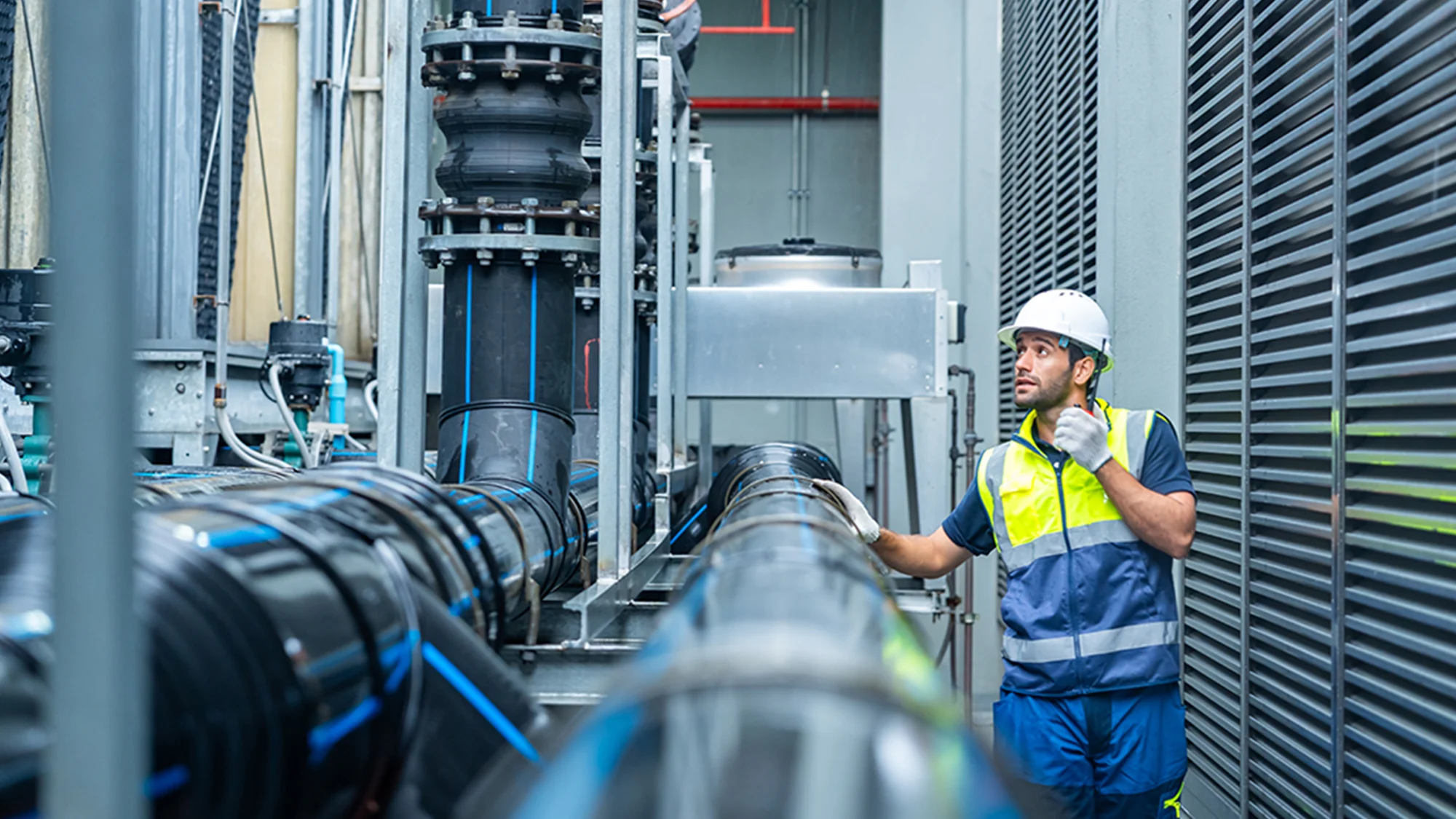

Dustek Product Line: Solving Everyday Shop Dust Problems
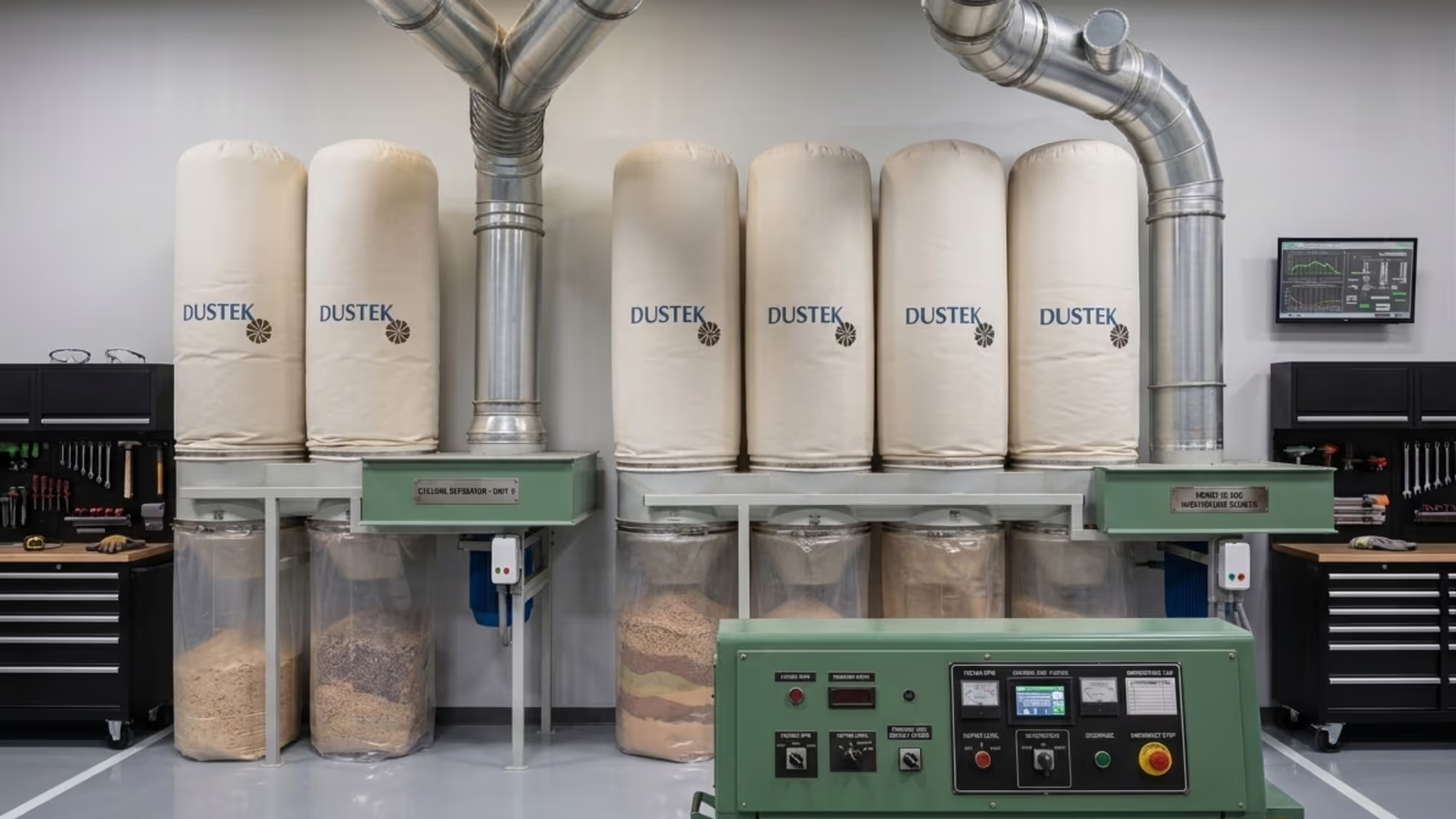
Dustek Product Line: Solving Everyday Shop Dust Problems
Over the long history of Dustek, thousands of units have been installed across a variety of operations with diverse needs. Here are a few.
Start-ups who:
- Are still adding equipment and are not yet ready to commit to large systems.
- Need dust collection for individual pieces of equipment.
- Are just simply getting started and need a basic waste collection system.
Established Businesses who:
- Have purchased an exciting piece of new equipment and need collection to get the equipment in place without modifying their existing system.
- Need supplemental collection as they move toward their ultimate growth goals.
Growing companies of all sizes face a constant balancing act in managing their dust and waste collection systems. Production has to keep moving, operators need clean and safe workspaces, and equipment must stay reliable without creating unnecessary complexity or downtime. Dust, smoke, and airborne particulate may seem like a routine part of daily operations, but over time they create serious challenges for productivity, maintenance, worker comfort, and compliance.
That is where the Dustek Dust Collection Systems fit in.
What Is the Dustek Product Line?
The Dustek Product Line provides a wide range of units that are practical, efficient, are easy to integrate, easy to maintain, and built to support the realities of everyday shop operations. Whether the application involves wood dust, plastic trimming, or general particulate control, Dustek products help growing operations create and maintain cleaner operations.
Dustek solutions are commonly used in:
- Fabrication shops
- Machine shops
- Woodworking operations
- Agricultural processing
- Plastics manufacturing
- Small industrial production lines
- Maintenance production lines
- Maintenance shops
- OEM equipment applications
The goal is straightforward: provide effective dust collection systems that are compact, dependable, and easy to implement quickly. Dustek Dust Collection Systems are often well-suited for smaller footprints, localized collection needs, and incremental growth.
When the Dustek Line Should Be Considered
Both large and small industrial facilities deal with air quality concerns. The Dustek Product Line should be considered for:
- Limited floor space environments
- Tight installation areas
- Mixed-use production environments
- Changing equipment layouts
- Budget-conscious purchasing decisions
- Smaller maintenance teams
Need for fast installation and startup.
Problems Caused by Excessive Dust
Many fabrication shops operate multiple processes under one roof. Sanding and other dust producers may be in close proximity to finishing. Dust and airborne particulate quickly spread through the workspace when airflow is not properly managed. Over time, this can lead to:
- Poor visibility in work areas
- Poor fit-up
- Poor finishing
- Excessive housekeeping requirements
- Dust buildup on machinery and inventory
- Increased filter and equipment wear
- Employee discomfort even to the point of creating turn-over
- Potential combustible dust concerns
- Reduced overall shop cleanliness and professionalism
%20(1748%20x%20562%20px).avif)
How These Problems Show Up Every Day in Shops
Every shop is different, but several dust collection challenges appear consistently across industrial facilities.
Dustek Waste Management systems help capture dust near the source, improving visibility and reducing particulate buildup on nearby equipment and surfaces.
Wood Dust Collection
Woodworking operations create large amounts of fine dust that settle on machinery, products, and work surfaces. In some environments, excessive dust accumulation can also create combustible dust concerns.
Dustek systems help support cleaner work areas while improving airflow around saws, sanders, and cutting equipment.
Plastics and Composite Dust
Routing, trimming, and cutting plastics or composites can create lightweight airborne particulate that spreads rapidly throughout a facility, often presenting challenges to the finished product.
Localized collection solutions can help contain these materials while reducing cleanup time and helping protect nearby operations.
Multi-Process Shops
Many fabrication environments combine several operations in one building. A shop may have sanding, assembly, and packaging all occurring in shared spaces.
Dustek systems provide flexible collection options that can adapt to mixed-use workflows.
Advantages of the Dustek Product Line
Compact Design for Smaller Facilities
Space and operational ‘flow’ are always important considerations.
Many facilities do not have room for large dust collection structures or extensive duct runs. Dustek systems are designed with a smaller operational footprint in mind, helping shops improve air quality without sacrificing valuable production space, while providing the ultimate in accommodating future operational changes.
Easier Integration into Existing Operations
One of the biggest challenges for facility managers is installing new equipment without disrupting production. Dustek systems can often be quickly integrated into existing workflows. This helps minimize downtime and allows facilities to improve air quality while maintaining operational continuity.
Scalable for Growing Shops
Many smaller operations are in growth mode. They may start with a few machines or workstations today but plan to expand over time. Dustek solutions support phased growth strategies by allowing facilities to address current dust problems while maintaining flexibility for future expansion. This is especially valuable for:
- Growing fabrication businesses
- Expanding OEM operations
- New production lines
- Startup manufacturing facilities
- Contractors building modular systems
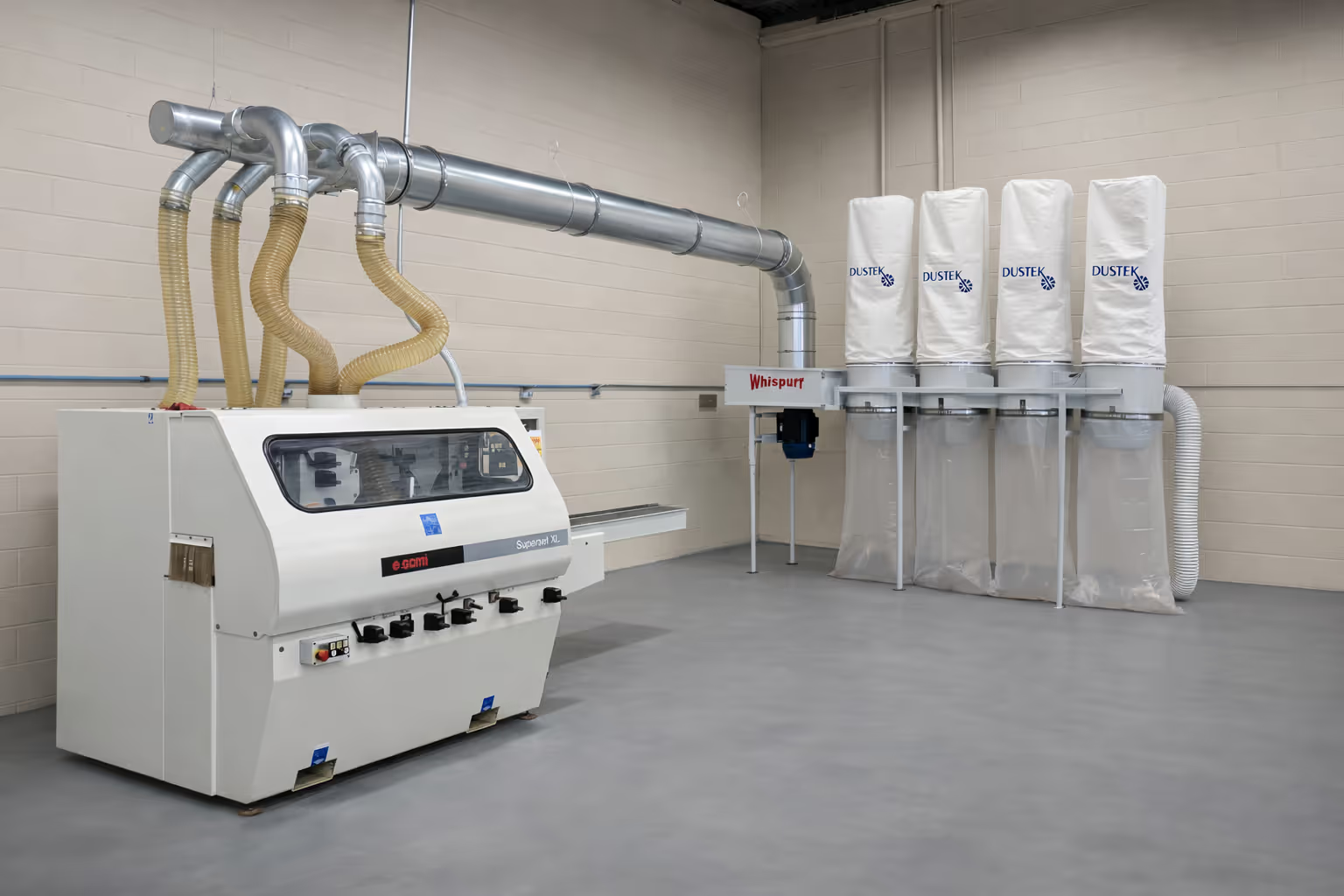
Reduced Housekeeping and Maintenance
Dust buildup affects more than cleanliness. Excessive airborne particulate can impact equipment performance, increase maintenance frequency, and create unnecessary cleanup labor as well as safety concerns.
Improved collection at the source helps reduce dust accumulation throughout the facility, leading to cleaner operations and lower maintenance burdens over time.
Improved Shop Environment
Clean shops operate differently.
Employees notice and respond positively to improved visibility and cleaner workstations. Customers and visitors see a more organized operation. Maintenance teams spend less time fighting dust accumulation. Machinery stays running… a direct impact to the bottom line.
While dust collection is often viewed strictly as a compliance or operational issue, it also contributes to overall workplace quality and professionalism.
Applications Where Dustek Performs Well
Woodworking and Cabinet Shops
Wood dust spreads quickly through small production spaces. Dustek systems help support cleaner operations around:
- Table saws
- CNC routers
- Sanders
- Planers
- Cutting stations
OEM Equipment Integration
Machine manufacturers and OEMs often need dust collection solutions that integrate directly into equipment packages or production systems in order to support their customers. Dustek products can support these compact and application-specific environments where flexibility and footprint matter.
Maintenance and Repair Facilities
Maintenance shops and industrial repair facilities frequently perform intermittent sanding and cutting operations. Dustek systems help manage particulate without requiring oversized infrastructure investments.
Plastics and Composite Fabrication
Plastic trimming and composite finishing operations generate lightweight particulates that can easily migrate across production spaces. Localized collection solutions help contain these materials closer to the process source.
Choosing the Right Dust Collection Approach
Not every facility requires a centralized dust collection system. In some cases, operations can benefit from targeted collection solutions.
The right solution is often the one that balances performance, simplicity, maintainability, and long-term operational value. As facilities continue looking for ways to improve efficiency, support safer work environments, and reduce maintenance burdens, properly designed dust collection remains one of the most important operational investments that can be made.
-
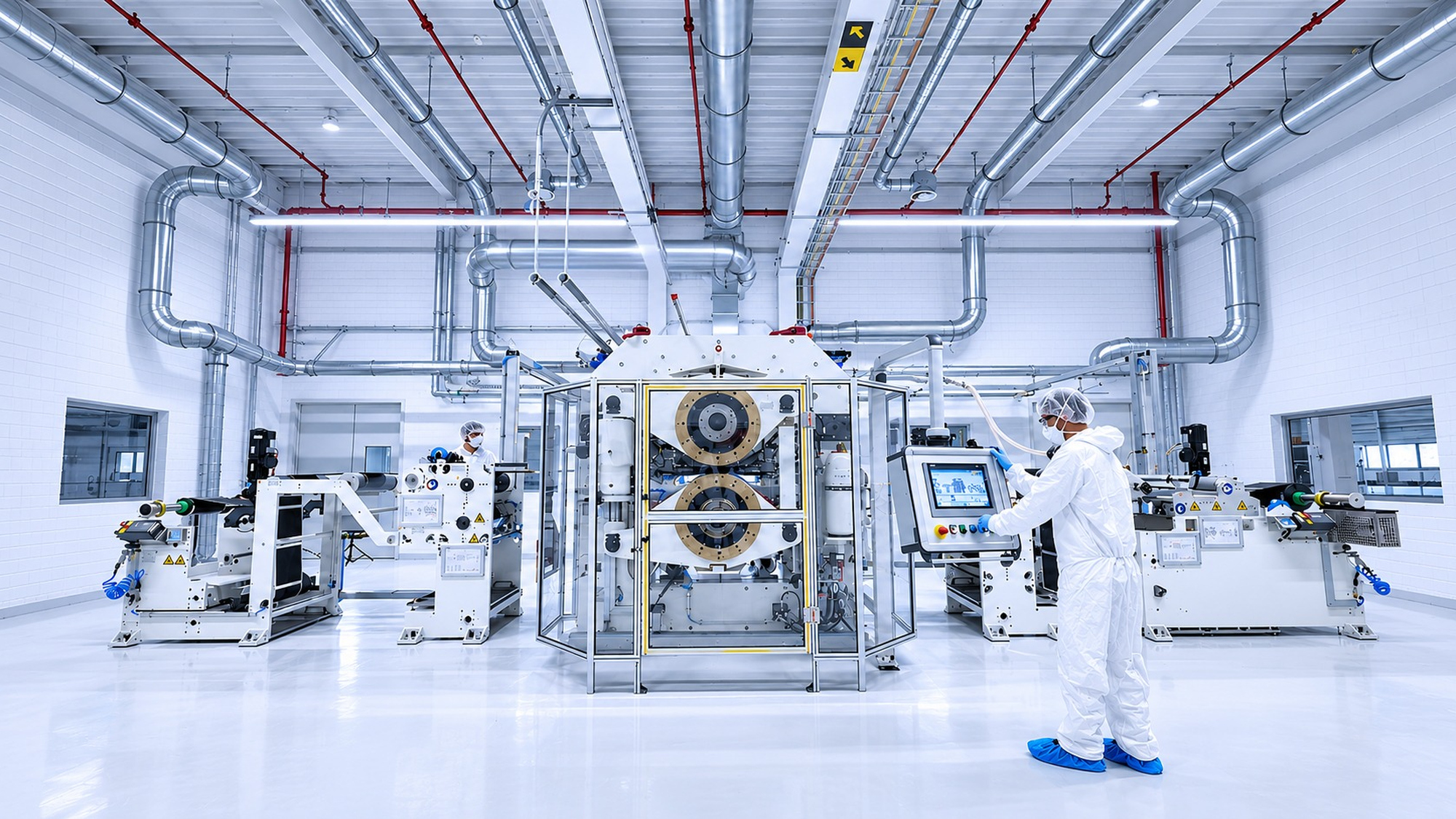
Battery Manufacturing Dust Collection: Design Considerations | US Duct
DuctQuote Update Oct 2026